Hours after replying to the ad, the 27-year-old got a late-night callback. The guy on the other end of the line was vague: He was looking for people concerned about the cost of living in Concord to attend an upcoming City Council meeting to advocate for “a thoughtful approach” to rent control.
Planetizen- Improving Indoor Air Quality, One Block at a Time

"A group of California neighbors is working to eliminate gas-powered appliances, which create harmful air pollution inside homes. The group, the Alliance of Californians for Community Empowerment (ACCE) Action, formed after residents found out about the risks to public health created by indoor gas appliances.
As Twilight Greenaway explains in Inside Climate News, the movement for “neighborhood-scale” or zonal decarbonization seeks to eliminate gas lines in favor of electrifying homes. The idea has support from Pacific Gas & Electric, a Northern California utility, which says it is willing to “spend a portion of the money it would otherwise use to maintain gas lines to help electrify the homes in the neighborhood that will no longer use the gas.”"
Inside Climate News- In California, a Push to Decommission Gas Lines in Low-Income Neighborhoods Moves Forward
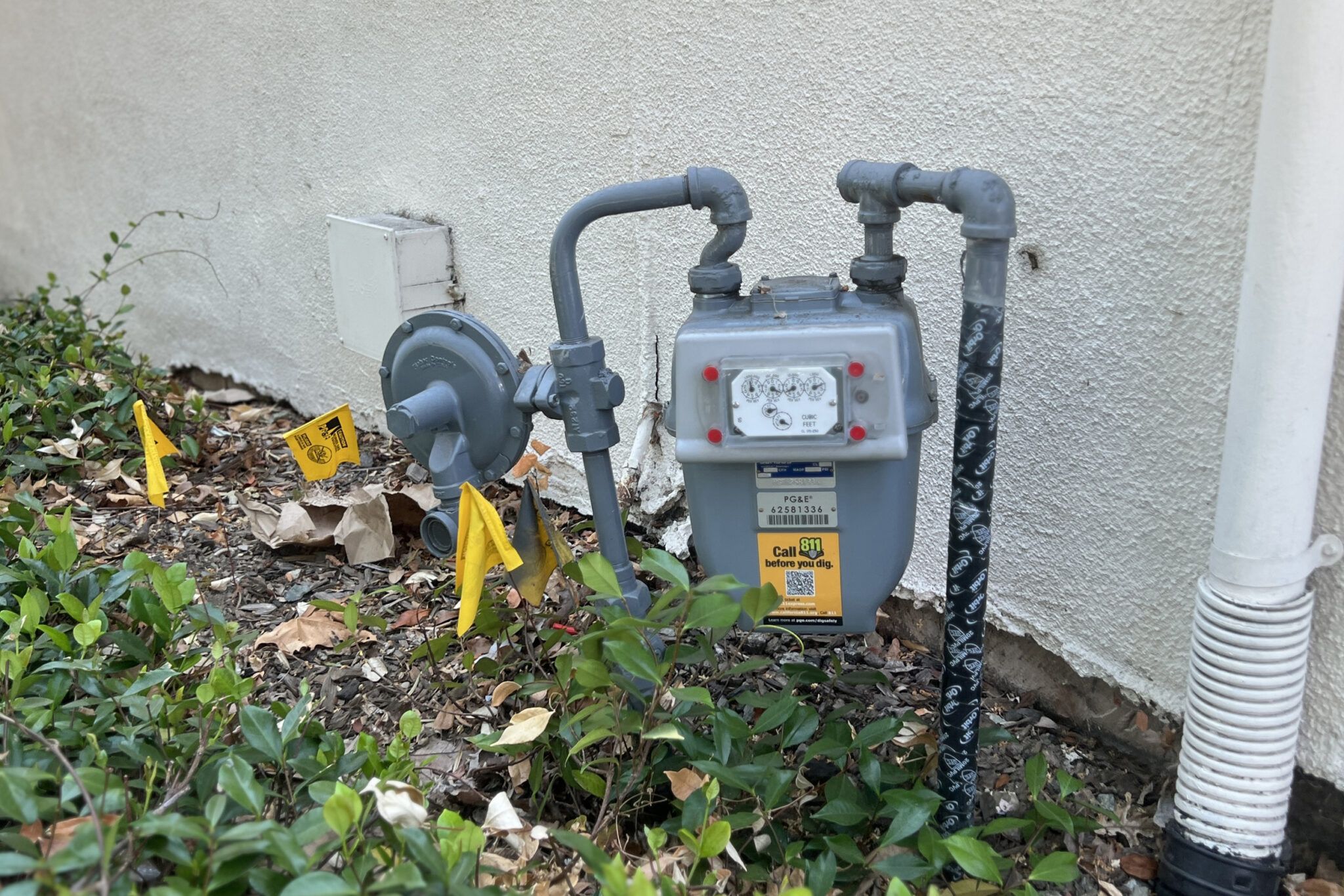
"In Richmond, California, Zenaida Gomez is ready to say goodbye to the gas stove in the apartment she has rented for over a decade. She has a hunch that the pollution it emits is exacerbating her 10-year-old son’s asthma attacks, and she has heard from public health experts and doctors who’ve said it probably is.
“I’ve learned that not only do we have contaminated air when we are outside in Richmond, but there’s contamination and toxins within our homes,” Gomez said in a recent phone call.
She started attending City Council meetings and organizing with her neighbors as a member of the Alliance of Californians for Community Empowerment (ACCE) Action, because, she said, “I wanted something different. I wanted something better.”
But ACCE Action’s goal isn’t simply to get rid of gas stoves. In a city where about one in four people—nearly double the national average—suffer from asthma due in large part to pollution from heavy industry, the group wants to shut off or “prune” the lines that send natural gas into homes in some neighborhoods. The phenomenon is called “neighborhood-scale decarbonization,” and it’s just getting off the ground in California..."
Sacramento Observer - When will Democratic lawmakers make California more affordable? Later, leaders say
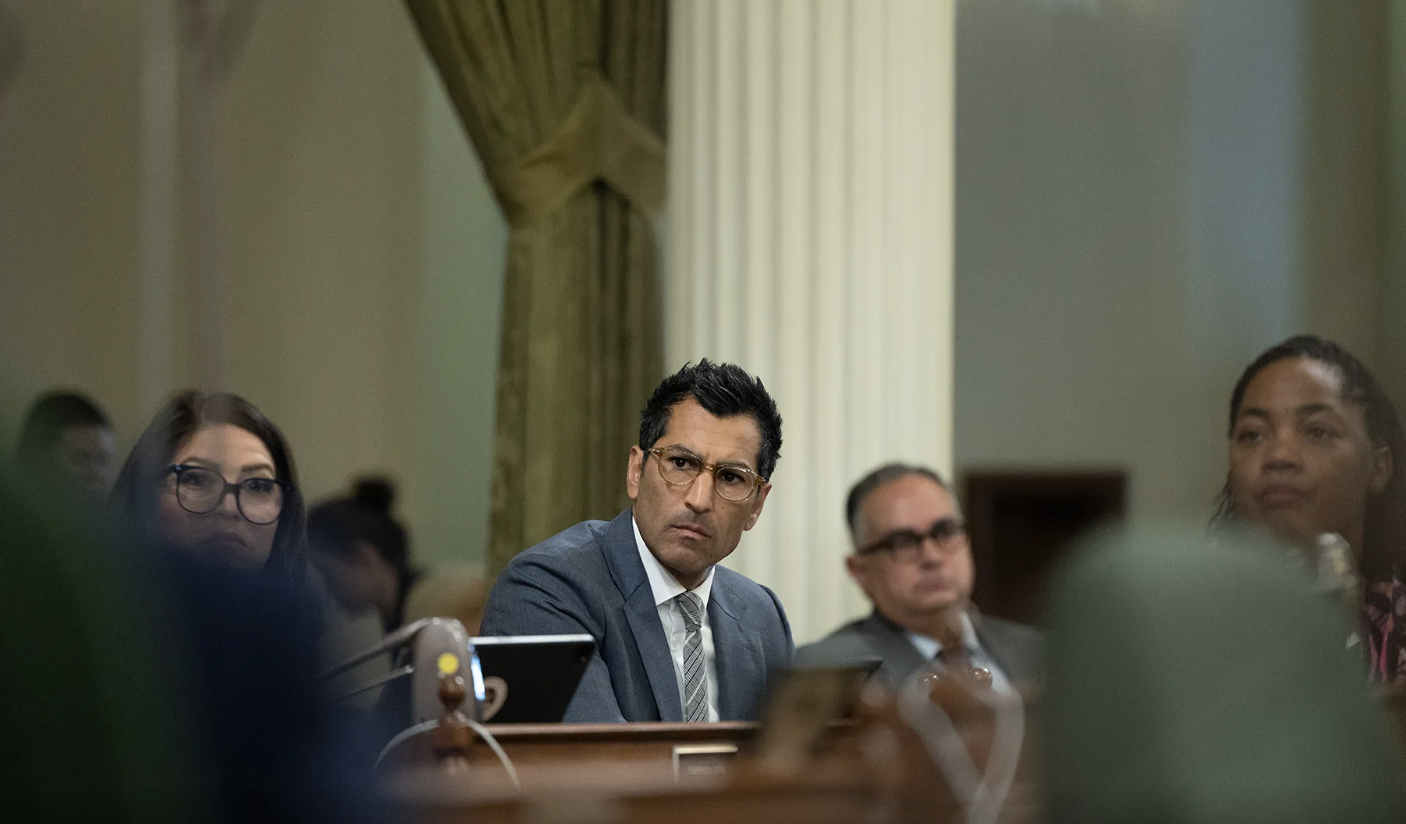
"In December, Assembly Speaker Robert Rivas assigned his members an “urgent” task: Make California cheaper to live in.
“Californians are deeply anxious. They are anxious about our state’s cost of living,” he told his colleagues in the wake of an election where concerns about the economy were top of mind for voters. “We must chart a new path forward and renew the California dream by focusing on affordability.”
Five months later, the state Legislature has little to show for it.
Just last week, Rivas announced four new “select committees” tasked with pitching ideas to lower the cost of housing, fuel, child care and food, but they won’t meet until June, and Rivas did not specify when he expects legislation from the committees. Some of the lawmakers assigned to chair them say they want to develop “practical” solutions but did not articulate what those would be.
Rivas, a Salinas Democrat, has also backed a slate of measures, most of which aim to ease restrictions on housing construction, but few have reached the Assembly floor for a vote."
Courthouse News - California advances bill to permanently fund solution to homelessness
"SACRAMENTO, Calif. (CN) — Upon returning to his district after the week’s legislative session, California Assemblymember Mike Gipson went searching for his godson.
He’d find him at a crack house in the Los Angeles area, step into the building and pull him out.
Gipson once helped his godson obtain a housing voucher after he appeared one day at his front door, only to discover he couldn’t write his own name.
The godson remains one of the 187,000 unhoused people in California, the Carson Democrat told the Assembly Housing and Community Development Committee on Wednesday.
The homelessness issue in the Golden State led Gipson to introduce Assembly Bill 1165, called the California Housing Justice Act of 2025. The bill passed the housing committee and now advances to the Assembly Appropriations Committee.
They are sleeping in tents, mobile homes in my district, and cars,” Gipson said, adding later: “Now is the time California can truly lead the way.”
Gipson said the state has allocated funding toward ending homelessness, but it’s come in the form of short-term investments. His bill would require the Legislature to designate money annually to solve homelessness and housing unaffordability.
There’s no money allocated in the legislation. Instead, lawmakers must in future years appropriate money into the California Housing Justice Fund.
“We must commit to ongoing funding, not just one-time funding,” Gipson said.
State agencies would create funding plans under the bill by Jan. 1, 2027. One plan would focus on how much money is needed to construct enough housing to meet the needs of the state’s homeless population, as well as the housing needs of people near homelessness. A second plan would determine the funding needed to address California’s affordable housing needs.
Additionally, the state Business, Consumer Services and Housing Agency would report each year to the Legislature on benchmarks included in the finance plans, and publish the information and progress levels at least once a year.
Gipson argued that the bill provided a roadmap to end homelessness in the state by directing ongoing funding to the problem and including accountability measures.
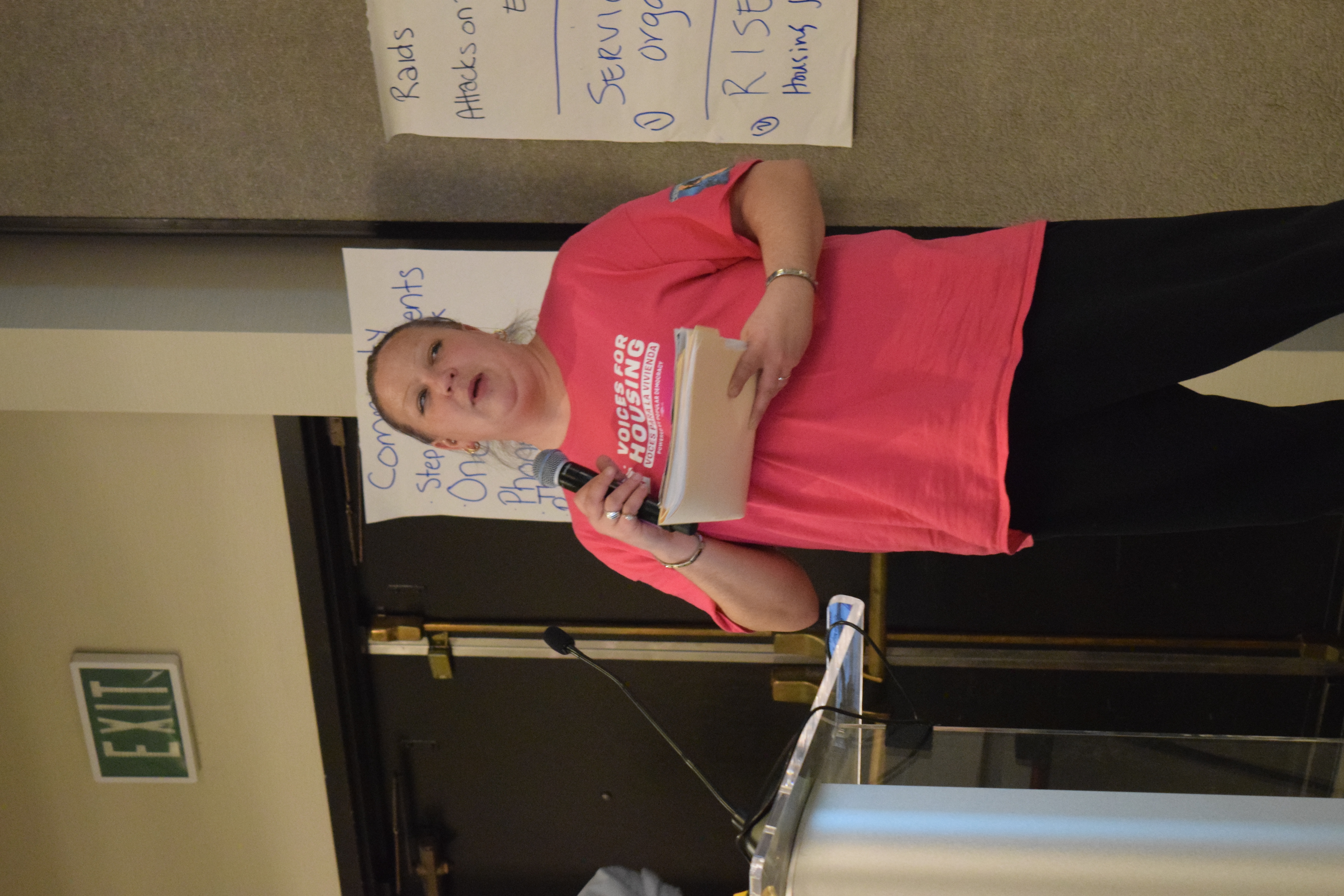
Pinky Toney, with the Alliance of Californians for Community Empowerment, said she’s been homeless four times.
“When I lost my home, I lost my hope,” she added."
Capitol Weekly - California must strengthen tenant protections
"OPINION – I never thought I would be living in my car or on my friend’s couch at this stage in my life. For decades, I worked as a nursing care professional and an active member and steward of SEIU 2015, dedicating my life to helping others heal and recover.
Today, I’m legally blind, unemployed, and homeless – not because I didn’t work hard, but because California’s housing system failed me. For seven years, I rented a single-family home from a corporate landlord who increased my rent by over $100 every year, while also charging me more than $300 monthly for water, garbage, and renter’s insurance. When I was severely injured on the job, affecting my eyesight and reducing my work hours, I began depleting my savings to pay rent. I dipped into my 401(k), skipped meals, and sacrificed everything to keep a roof over my head. My entire retirement is now gone.
Despite these sacrifices, when I paid my rent in full a mere three days late, my landlord refused my check and immediately began eviction proceedings. With no lawyer to represent me, the court sided with the landlord. The stress worsened my injury and my health deteriorated completely, causing me to lose my nursing job entirely. I ended up living in my car for months before finding temporary refuge on my friend’s couch.
This is the human cost of California’s housing crisis – not just homelessness, but cascading health crises, job loss, and shattered lives."
Courthouse News - Cap on annual rent increases clears key California hurdle
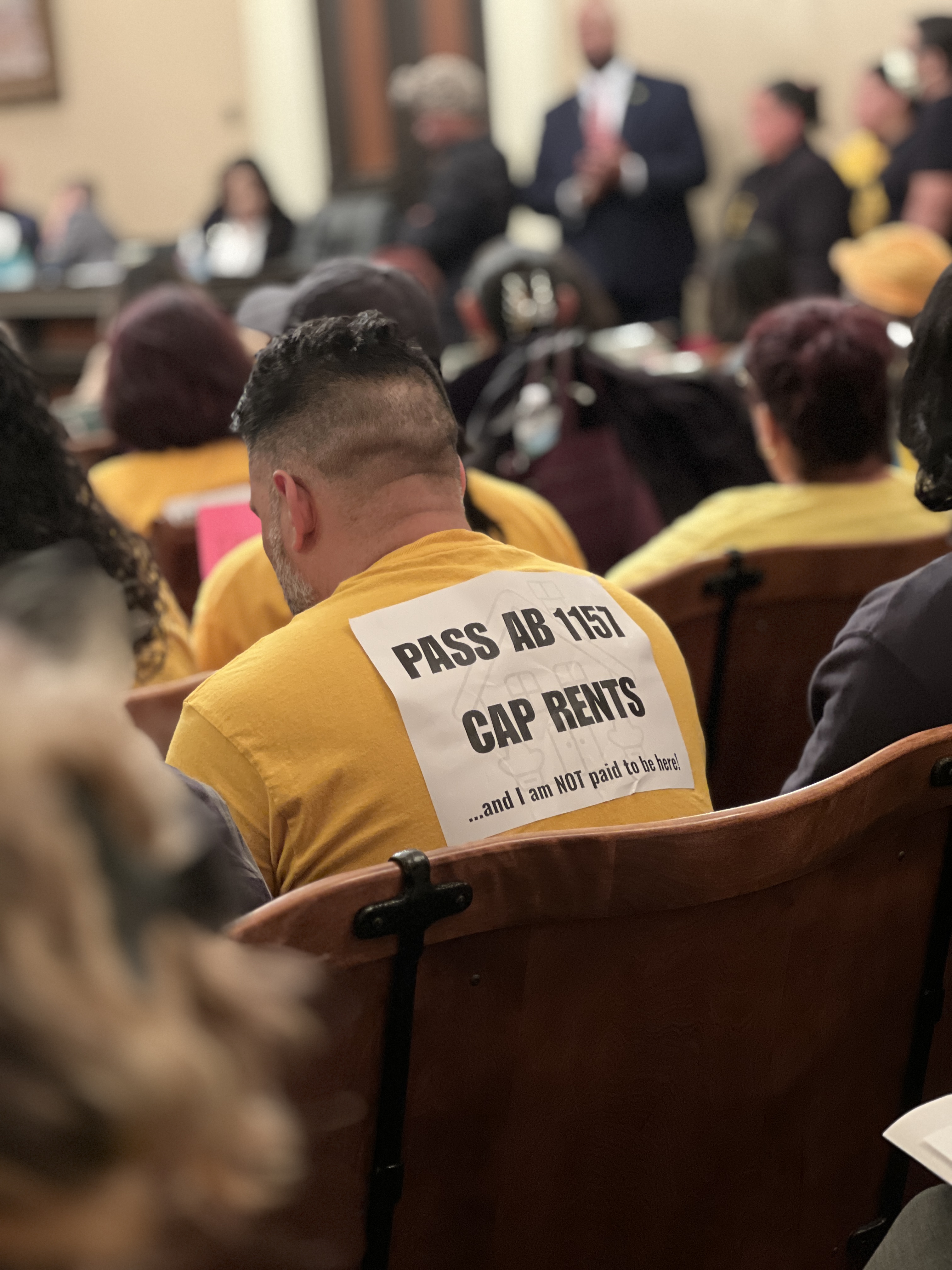
"SACRAMENTO, Calif. (CN) — The rent, many California lawmakers agree, is too damn high.
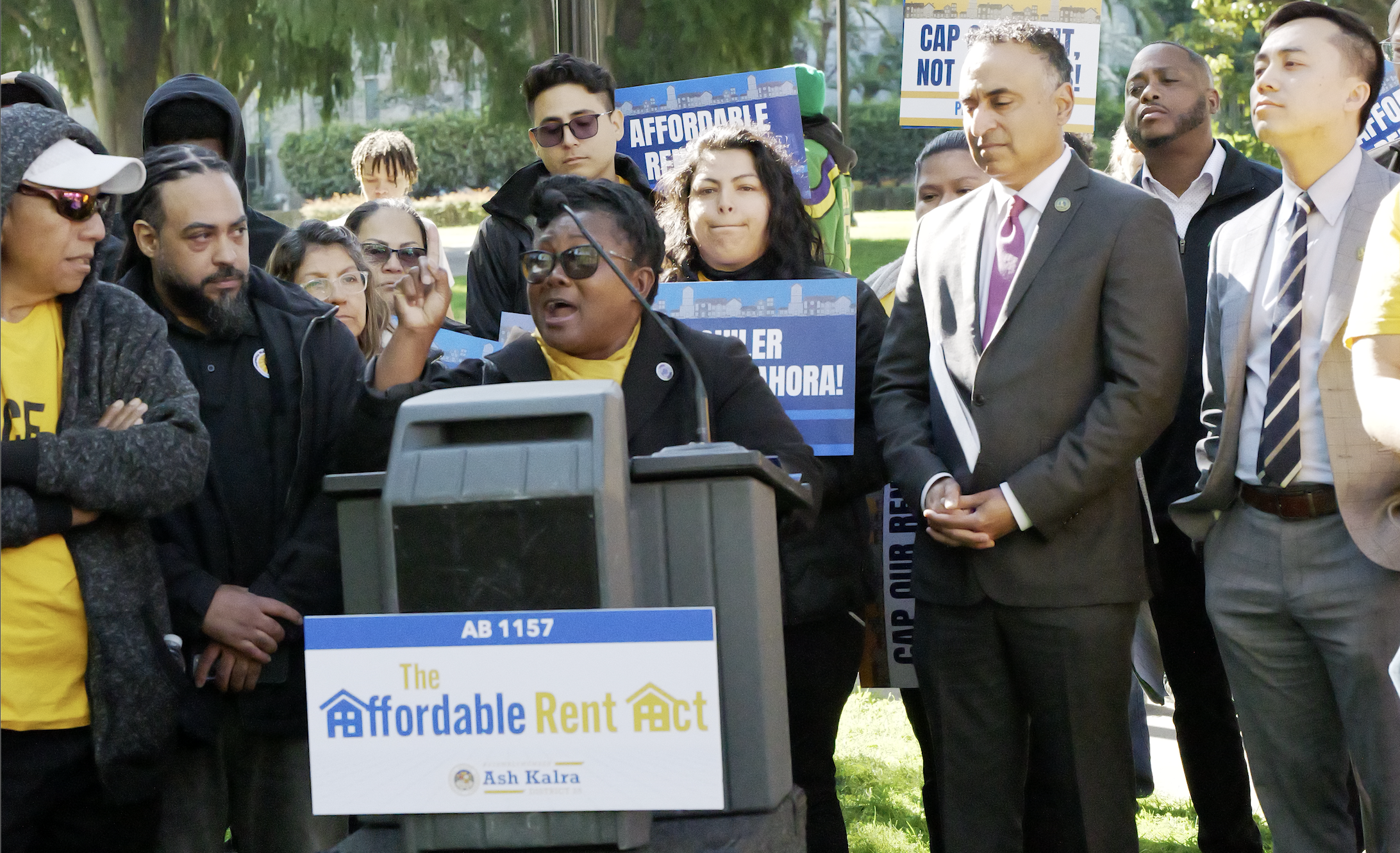
The phrase appeared often during a Thursday hearing as Assembly members examined a bill that would further cap allowable rent increases, include single-family homes in tenant protections and remove an existing sunset to the Tenant Protection Act of 2019.
Over 100 people favoring and opposing the bill spoke during the Assembly Housing and Community Development Committee, which passed Assembly Bill 1157. The legislation now proceeds to the Assembly Judiciary Committee.
Supporters cheered as they watched the committee move the bill to its next stop along the legislative process.
“It is something that we need to address,” said Assemblymember Matt Haney, a San Francisco Democrat and committee chair, of the state’s housing crisis.
The bill’s author — Assemblymember Ash Kalra, a San Jose Democrat — said people continue to struggle with rent, despite the 2019 law. That law imposed an annual limit on rent increases to 5% plus the percentage change in the cost of living, or not greater than 10%, whichever is lower. Additionally, landlords must have a justifiable reason for terminating a tenancy after a year.
Single-family home rentals currently are exempt from existing law, which sunsets Jan. 1, 2030."
CBS News - South Park residents demand safer traffic light improvement on anniversary of 13-year-old's death
"Residents in the South Park neighborhood of Los Angeles are demanding a safer traffic light improvement on the anniversary of a 13-year-old's death.
On the one-year anniversary of Carver Middle School student Derick Serrano, family members and residents plan to hold a rally Friday at 2 p.m., demanding that LA City officials install a safer traffic light.
Last year, 13-year-old Serrano was fatally hit by a driver when he was walking home from school. Serrano was hit while crossing a four-lane intersection at Wadsworth and East Vernon Avenues.
The Alliance of Californians for Community Empowerment (ACCE) Action said the intersection does not have a crosswalk, crossing guard, or signal. They cite LA City traffic collision data, saying there have been 49 accidents at the intersection since 2010.
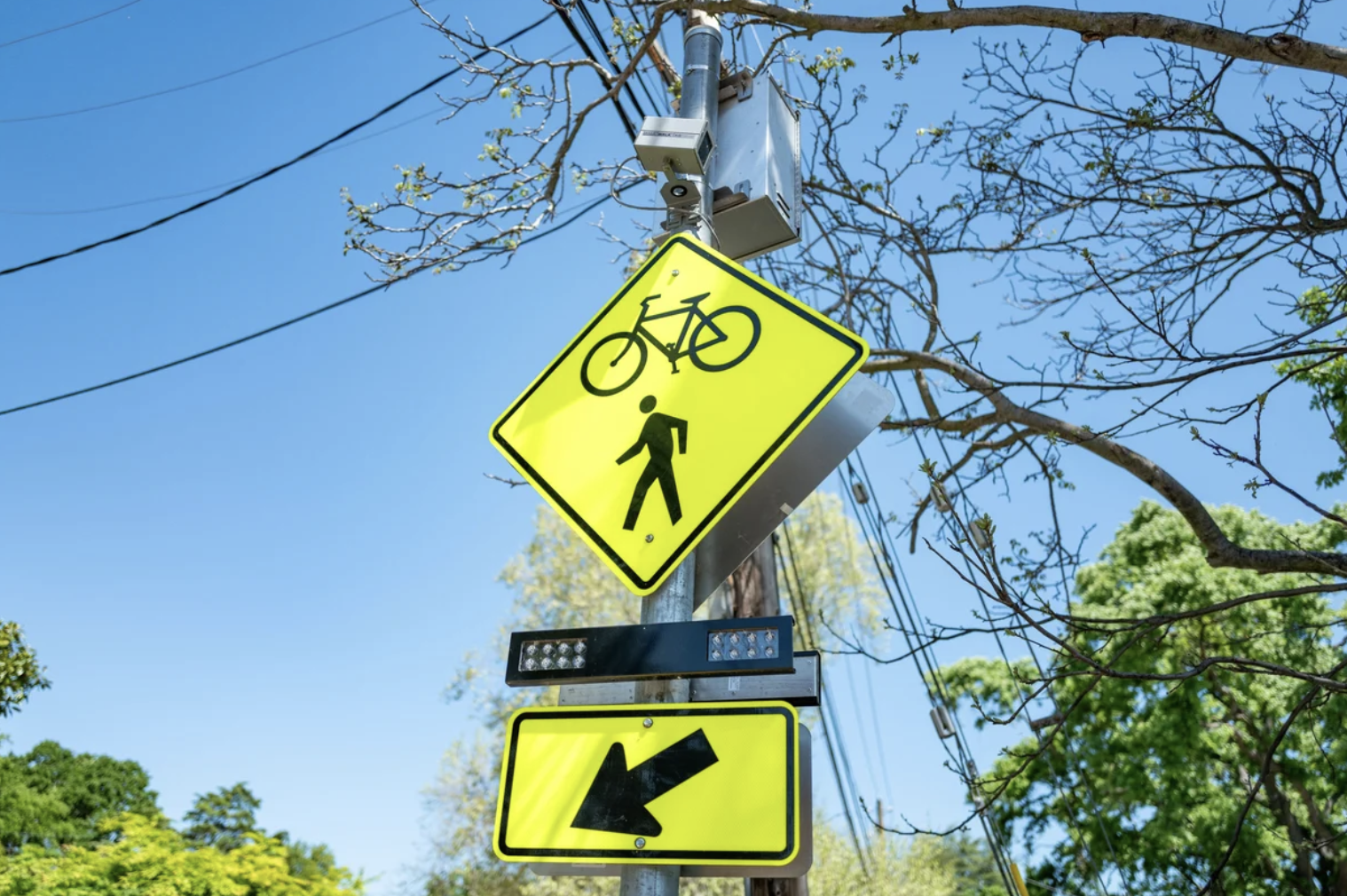
Family members and residents claim the city is offering an "inferior improvement," called a HAWK pedestrian signal. A HAWK signal flashes yellow and red lights when a pedestrian pushes a button in a marked crosswalk."
San Francisco Standard - The ad offered a quick $250. The job? Shilling for a bunch of landlords
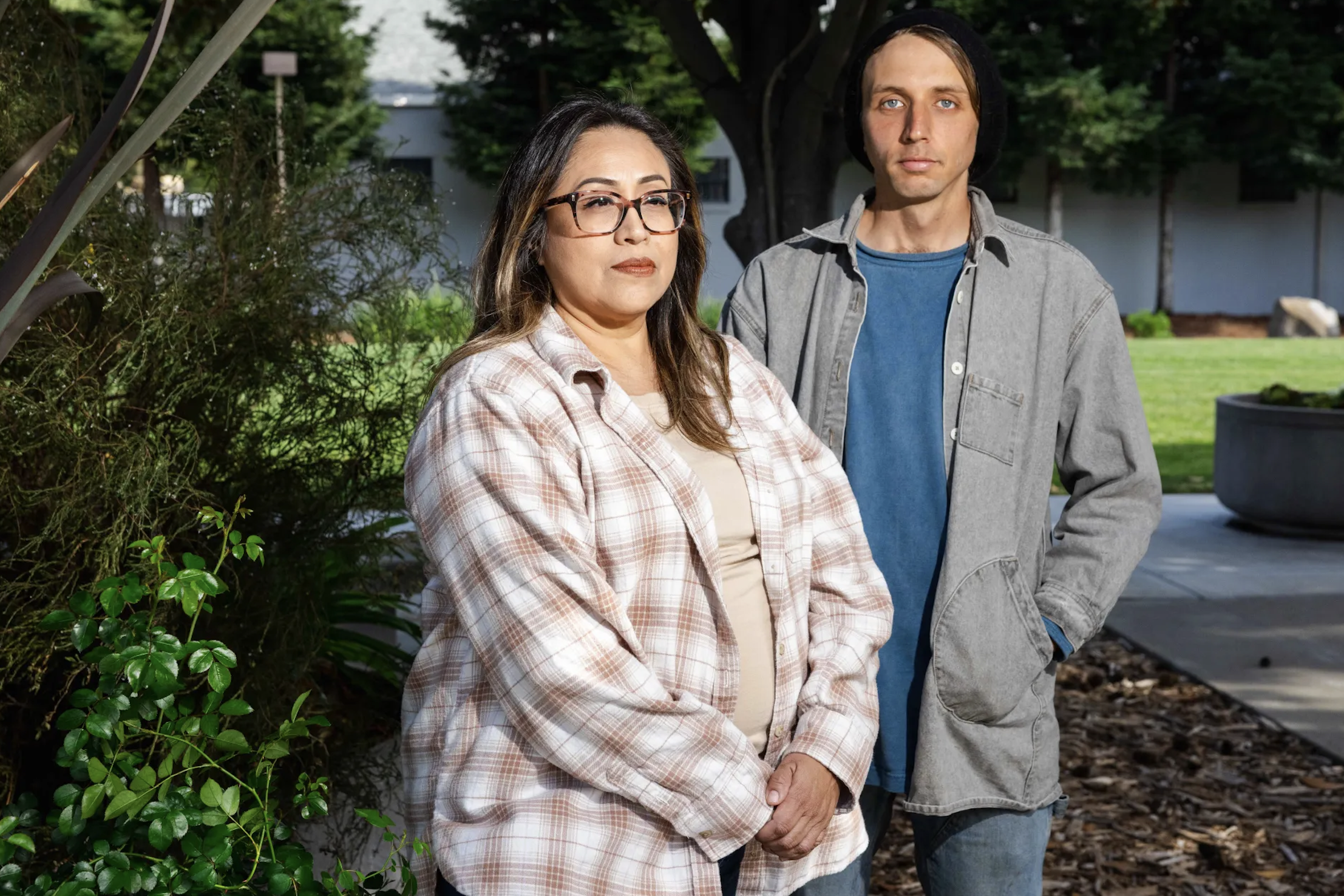
"Jackson Brody was combing Craigslist for work when he stumbled across an ad for a paid gig in the East Bay. Pocket $250 for one evening close to home? Seemed almost too good to be true.
As a renter in Concord, Brody thought it sounded reasonable. So he signed on.
When he showed up the afternoon of March 25 to a park near Concord City Hall, he started to get the sense that something more cynical was afoot."